
Red Baneberry (Actaea rubra) enchants woodland gardens with its deeply divided, lush green foliage and clusters of feathery white blooms in late spring. Reaching about 1 to 3 feet in height, this bushy perennial is prized for its striking red berries, which develop by mid to late summer and add colorful interest among shaded plantings. These glossy berries—though highly toxic to humans—remain harmless to birds, who eat them and disperse the seeds. The plant’s upright form and delicately lobed leaves help it stand out, making Red Baneberry an excellent choice for creating layers of texture and subtle charm in woodland-inspired or naturalized landscapes. Red Baneberry is native to cool, moist forests of North America, thriving in partial to full shade and rich, humusy soil. It is relatively low-maintenance and rarely troubled by pests or diseases, although its berries are poisonous to mammals, helping deter deer from browsing. Add it to shade borders, wildflower meadows, or naturalistic plantings where its berries provide a bright pop of color and seasonal interest. Combined with ferns or coarse-leaved shade perennials, Red Baneberry’s airy texture creates a refined contrast that elevates any woodland garden. Red Baneberry Care Plant Red Baneberry in partial to full shade in fertile, slightly acidic soil with plenty of organic matter. Keep the soil evenly moist, especially during the first growing season, by watering regularly and applying a layer of mulch to maintain consistent moisture. Little fertilization is required; adding compost or well-rotted leaf litter each spring usually suffices. The plant can handle cooler conditions but may suffer in very hot climates, so ensure adequate shade and water in warmer regions. Avoid planting near highly trafficked areas if children or pets might sample its toxic berries. After blooming, you can remove spent flowers if you prefer tidier-looking plants, though doing so may reduce berry production. Stems typically die back in the autumn; removing withered foliage at that time can help tidy the garden bed. For container growing, choose a deep pot to accommodate the plant’s rhizomatous roots and keep the soil from drying out too quickly. In colder regions, leaving leaf litter around the base of the plant over winter can provide extra insulation. Red Baneberry Spacing Space plants about 18 to 24 inches apart when placing multiple Red Baneberry shrubs in a row or mass planting. This allows for proper airflow and healthy leaf expansion as they fill in the area. If growing in a container, select a pot at least 12 inches wide and deep, ensuring enough room for root development and moderate growth in subsequent seasons.Red Baneberry Information
Sale!

Red Baneberry
Original price was: $33.24.$18.76Current price is: $18.76.
Free shipping on orders over $50Related products
-
Sale!
 Bushes
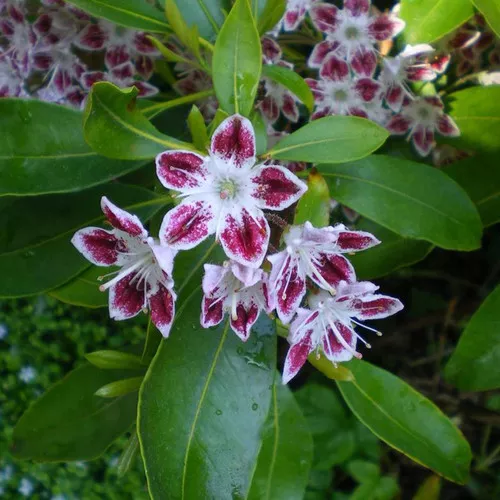
Galaxy Mountain Laurel
Original price was: $46.89.$35.99Current price is: $35.99. Add to cart -
Sale!
 Bushes
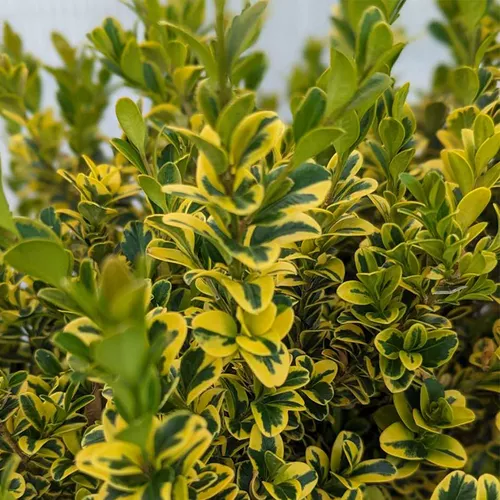
Golden Variegated Korean Boxwood
Original price was: $59.49.$37.80Current price is: $37.80. Add to cart -
Sale!
-
Sale!
 Bushes
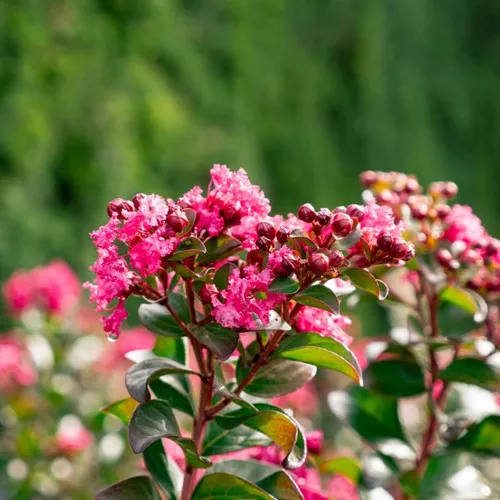
Princess Holly Ann™ Crapemyrtle
Original price was: $52.49.$34.93Current price is: $34.93. Add to cart -
Sale!
-
Sale!
-
Sale!
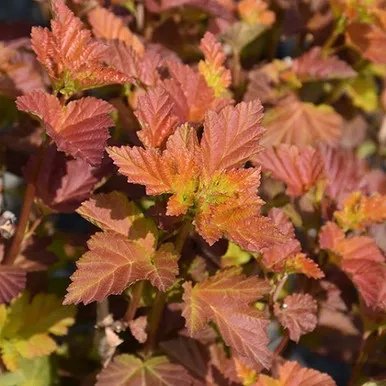 Bushes
Amber Jubilee™ Ninebark
Original price was: $43.39.$27.57Current price is: $27.57. Add to cart -
Sale!
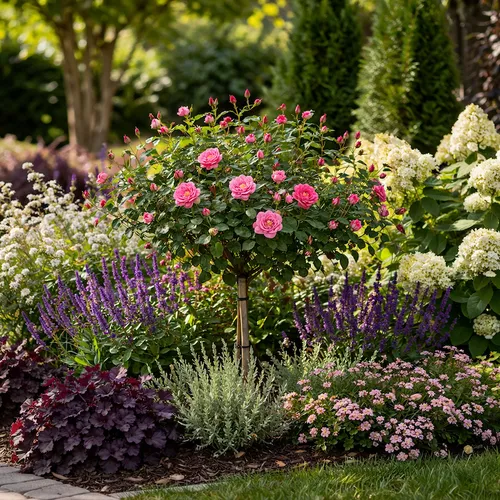 Bushes
Knock Out Double Pink Rose – Tree Form
Original price was: $68.94.$47.95Current price is: $47.95. Add to cart